What Is Chakra Healing Meditation and How Does It Help Emotional Healing
One’s emotional well-being is deeply related to how they process stress, relationships, grief, trauma, and the challenges they might face every day. Although modern psychology has a structured approach to managing these experiences, there are many ancient mind and body traditions that incorporate complementary tools that focus on energy balance and inner awareness. Chakra healing meditation is one such practice that is rooted in centuries-old Eastern philosophy. Today, this method is also included in holistic environments, such as Natural wellness centers that work on non-invasive healing methods. Knowing how chakra-based techniques work will help you build resilience, emotional clarity, and a healthier internal state.
Understanding Chakras and Energy Flow
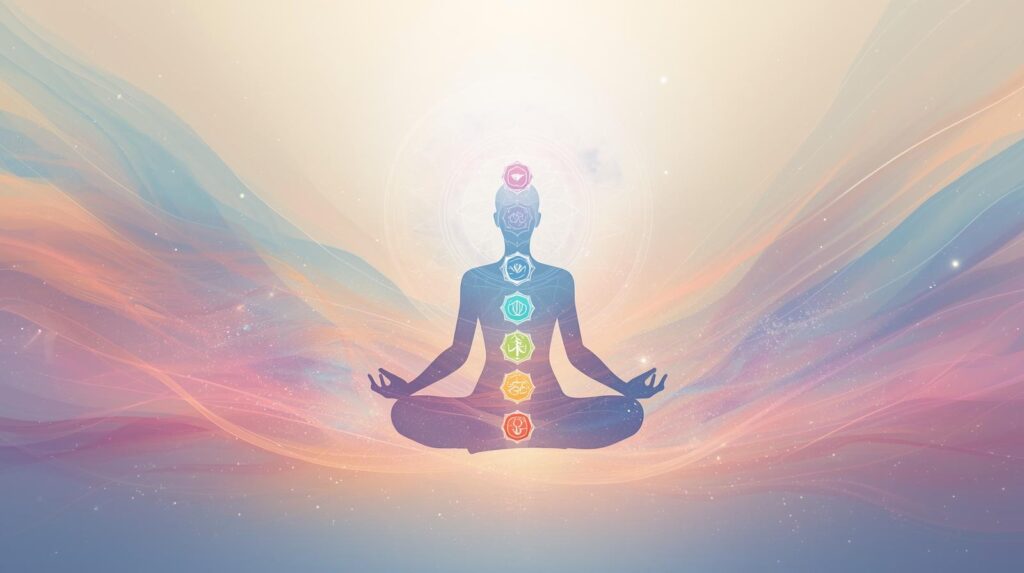
Chakras are the energy centers in the human body that lie along the spine, starting from the base to the crown of the head, according to the traditional yogic and Ayurvedic teachings. Each chakra is related to a specific set of emotional patterns, psychological traits, and life themes, listed as follows:
- Root Chakra: Safety, stability, survival
- Sacral Chakra: Creativity, sexuality, pleasure
- Solar Plexus Chakra: Personal power, confidence, self-esteem
- Heart Chakra: Love, compassion, connection
- Throat Chakra: Communication, expression, honesty
- Third Eye Chakra: Intuition, clarity, insight
- Crown Chakra: Spirituality, higher consciousness
It is believed that these centers influence a person’s emotional and mental states. In case a chakra is blocked or imbalanced, one might feel emotionally disturbed, be anxious, irritable, emotionally numb, or at a loss for direction.
What Chakra Meditation Involves
Chakra healing meditation involves focused breathing, visualization, intention setting, and often the use of sound frequencies or mantras. These are designed for activating or balancing certain specific energy centers. Most practices include:
- Guided Visualization: Mentally directing awareness to each chakra in sequence.
- Breathwork: Using slow breathing to stimulate relaxation responses in the nervous system.
- Mantras or Sounds: Chanting syllables like “OM” or seed sounds associated with chakra vibrations.
- Color Imagery: Imagining colors associated with each chakra—for example, green for the Heart Chakra.
- Affirmations: Using self-directed positive statements to shift emotional patterns.
Through these techniques, self-awareness, mental peace, and emotional expressions are promoted, without any judgment.
How Chakra Meditation Supports Emotional Healing
Emotional healing doesn’t specifically translate to reducing stress. It also involves processing the stored experiences and cultivating inner stability. This process is supported by chakra-based practices through various mechanisms:
1. Regulating the Nervous System
Practices like slow breathing and meditative focus activate your parasympathetic nervous system, which further reduces cortisol production and eases stress responses. With this, your emotional processing improves without feeling overwhelmed.
2. Increasing Self-Awareness
Practitioners try to gain insight into your behavioral patterns, triggers, and unresolved feelings by examining the emotional blockages at each energy center.
3. Encouraging Emotional Release
In many cases, spontaneous emotional releases have been reported, such as crying, laughing, or relief, as their energy center opened and earlier suppressed feelings resurfaced.
4. Promoting Compassion and Self-Esteem
The practices focused on the heart, or solar plexus, have been shown to enhance the feelings of self-worth and interpersonal compassion, which form the basis of emotional resilience.
5. Integrating Mind and Body
Chakra meditation doesn’t treat emotions as purely cognitive; rather, it ties them to bodily sensations and energy states, creating a comprehensive healing model. For people who are not familiar with meditation, guided sessions at natural wellness centers provide a structure, a safe environment, and practitioner support.
Chakra Work in Modern Wellness Settings
Wellness spaces integrating energy-focused modalities offer chakra-based sessions with complementary approaches like breathwork, sound therapy, energy enhancement technologies, Reiki, or biofeedback. Although the goal here isn’t to replace clinical mental healthcare. Rather, it offers a self-regulated method for emotional balance and introspection. At some natural wellness centers, group sessions, workshops, and personalized chakra scans are also offered to help individuals understand energy dynamics.
Who Can Benefit from Chakra Meditation?
This style of meditation is accessible to both beginners as well as advanced practitioners. Those who have been dealing with chronic stress, emotional stagnation, relationship conflicts, or spiritual disconnection have often reported improvements. This meditation also supports individuals who have been managing life transitions, creative blocks, or confidence issues. As it is a non-invasive practice and can be customized, it is also easily adaptable for people of differing age groups and physical abilities.
Conclusion
The chakra healing meditation is a bridge between the ancient energy systems and modern emotional health perspectives. Individuals can cultivate a deeper self-awareness, emotional release, and inner stability by exploring how the emotional patterns correlate with the energy centers of the body. By incorporating these together in a responsible way, chakra-focused meditation becomes a valuable tool for emotional healing and your overall well-being. The effect stays the same regardless of whether it is being practiced with the guidance of natural wellness center’s or independently.
FAQs
1. Is chakra meditation scientifically proven?
The concept of chakras is a part of spiritual and philosophical traditions. However, meditation and breathwork have been proven scientifically to reduce stress, improve emotional regulation, and improve your nervous system balance.
2. How often should I practice chakra meditation?
You can start with a few sessions per week, each lasting 10-20 minutes. As the consistency builds, you may gradually increase the time. Regularity is more important among beginners than the duration.
3. Do I need special equipment or training?
No special equipment is required. However, if you are new, guided audio, experienced practitioners, or group sessions might turn out to be helpful.
4. Can chakra meditation replace therapy?
No, meditation isn’t a substitute for clinical treatments, especially if it is a case of trauma, anxiety disorders, or depression. You can use it as complementary to the professional treatment or as a self-regulation tool.
5. What is the difference between chakra meditation and regular meditation?
Regular meditation focuses on general awareness or relaxation, while chakra healing meditation specifically works with energy centers tied to emotional and psychological themes.
